

double glazed laminated glass
Understanding Leveling Mounts A Comprehensive Guide Leveling mounts are an essential component in various fields, particularly in photography, videography, and construction. Whether you're trying to level a camera for the perfect shot or ensuring precision while building, leveling mounts provide the necessary stability and accuracy. This article delves into the concept of leveling mounts, their importance, types, and how to choose the right one for your needs. What Are Leveling Mounts? Leveling mounts are devices designed to stabilize and balance equipment or structures. They often include adjustable legs or mechanisms that allow users to fine-tune the height and angle of the mount to achieve a level position. This capability is critical in numerous applications, from mounting cameras on tripods to supporting heavy machinery on construction sites. Importance of Leveling Mounts The primary function of leveling mounts is precision. In photography and videography, having a level shot can make a significant difference in the quality of the final product. An unsteady camera can lead to distorted perspectives, awkward framing, and overall dissatisfaction with the footage. Similarly, in construction and engineering, level surfaces ensure that structures are built correctly, preventing potential hazards and costly mistakes. Moreover, leveling mounts enhance the efficiency of work processes. When equipment is set up properly, it requires less adjustment during usage, allowing users to focus on the task at hand. This aspect is particularly valuable in fast-paced environments where time is of the essence. Types of Leveling Mounts There are several types of leveling mounts available, each suited for specific applications 1. Tripod Leveling Mounts Commonly used in photography, these mounts feature adjustable legs that enable photographers to find a stable position easily. Some advanced models come equipped with bubble levels to verify that the camera is perfectly aligned. 2. Instrument Leveling Mounts These are specialized mounts used for surveying and construction equipment. They offer micro-adjustability to ensure instruments like theodolites are level throughout operation. leveling mounts 3. Customizable Mounts For specialized applications, some manufacturers provide customizable leveling mounts. These mounts can be tailored to meet specific needs and often feature robust construction for heavy-duty use. 4. Electronic Leveling Mounts With advancements in technology, electronic leveling mounts have emerged. These mounts use sensors to provide real-time feedback on the levelness of the equipment, making them ideal for high-precision tasks. Choosing the Right Leveling Mount When selecting a leveling mount, several factors should be considered 1. Purpose and Application Understand what you need the mount for—photography, construction, or another purpose. This will guide you in selecting the appropriate type. 2. Weight Capacity Ensure that the leveling mount can support the weight of the equipment or structure it will hold. Overloading a mount can lead to failure and potential damage. 3. Material and Build Quality Look for high-quality materials and construction to ensure durability. Weather-resistant options are crucial for outdoor applications. 4. Adjustability Features Consider how easy it is to adjust the mount. Features like quick-release mechanisms and fine-tuning knobs can significantly enhance usability. 5. Budget Finally, balance your needs with your budget. While investing in a quality leveling mount may initially seem costly, it can save you time and resources in the long run. Conclusion Leveling mounts play a critical role in achieving precision and stability across various domains. Whether you're a photographer aiming for that perfect shot or a builder working on a large project, understanding the importance and functionality of leveling mounts can enhance your work quality. By considering the different types available and selecting the right one for your needs, you can ensure that you achieve the best results in your endeavors.
about
double glazed laminated glass
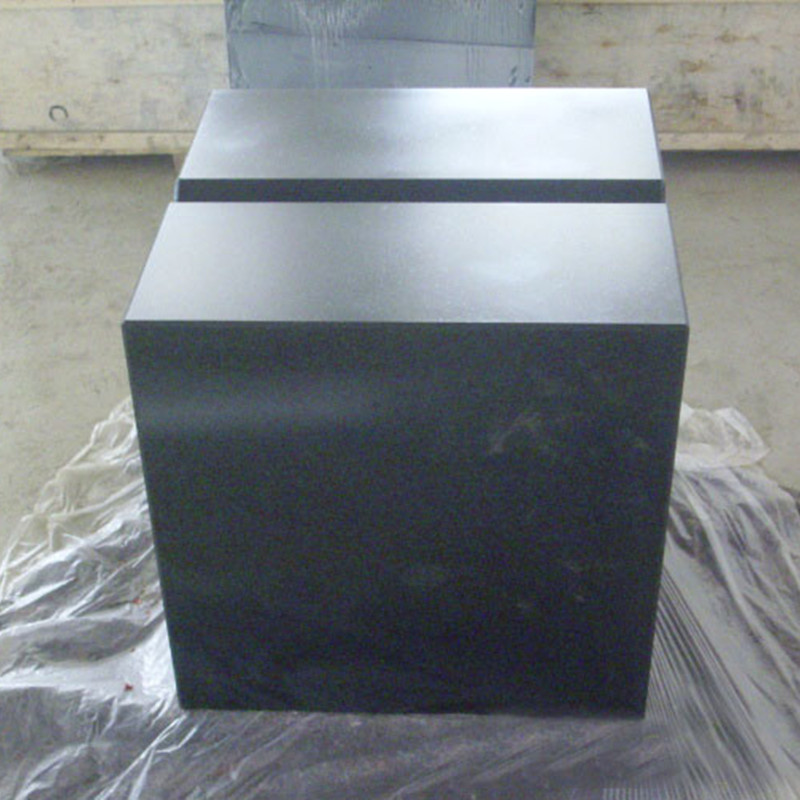
Precision Cast Iron Surface Plates The Cornerstone of Metrology Precision and accuracy are vital in the world of manufacturing and engineering, where even the smallest deviation can lead to significant errors in the finished product. One of the fundamental tools used in ensuring precision is the surface plate, particularly those made of cast iron. Precision cast iron surface plates are essential instruments that provide a stable, flat reference surface for various inspection, measurement, and layout tasks. What are Surface Plates? Surface plates serve as a flat reference plane that supports workpieces during measurements and inspections. They are used in a variety of applications, from machining and assembly to quality control. The accuracy of these plates is crucial; any irregularities on their surfaces can translate into errors in measurements taken from them. Therefore, the best surface plates are engineered to be as flat as possible. The Benefits of Cast Iron Cast iron is an ideal material for creating precision surface plates due to its unique combination of properties. It is not only durable and resistant to wear but also possesses excellent damping characteristics, which helps to absorb vibration and prevent disturbances that could affect measurement accuracy. Additionally, cast iron has a natural ability to maintain its shape over time, which is essential for preserving flatness. Manufacturing Process The manufacturing process of precision cast iron surface plates involves several critical steps. First, high-grade cast iron is selected to ensure the best quality. The casting process allows for the creation of large plates with uniform composition and minimal internal stress. After casting, the plates undergo a precise machining process where they are ground to achieve the required flatness and surface finish. To ensure maximum accuracy, the plates are typically ground in such a way as to obtain a surface finish that meets specific industry standards. The end result is a surface that offers a high degree of flatness, which is crucial for accurate measurements. precision cast iron surface plate Calibration and Maintenance To maintain precision, surface plates need regular calibration and maintenance. Typically, a surface plate should be checked for flatness at least once a year. This involves using specialized measuring equipment, such as electronic levels or dial gauges, to identify any wear or deformation that may have occurred over time. Proper care is essential to prolong the lifespan of a cast iron surface plate. Cleaning the surface after each use and applying a protective coating can help prevent rust and other damage. Additionally, avoiding the placement of heavy objects on the plate when not in use will lessen the risk of deformation. Applications Across Industries Precision cast iron surface plates find applications in numerous industries, including aerospace, automotive, and manufacturing. They are commonly used in quality control labs where they serve as a reference for calibrating measuring instruments. In manufacturing environments, they provide stability for workpieces while they are being machined or assembled. Moreover, in metrology and research settings, precision cast iron surface plates are crucial for experimental setups that require high accuracy. They serve as platforms for tool markers, gauges, and other instruments that need a reliable reference point. Conclusion In the realm of precision engineering, a cast iron surface plate is more than just a flat piece of material; it is a vital tool that ensures measurements are accurate and reliable. The unique properties of cast iron, combined with a meticulous manufacturing process, make these plates indispensable in various industrial applications. Regular maintenance and calibration are essential to preserving their precision. As industries continue to evolve and demand higher accuracy, the role of precision cast iron surface plates will undoubtedly remain a cornerstone in the field of metrology.
-

High quality industrial productsagement

High quality industrial products
View Details -

Meet the diverse needs of customers

Meet the diverse needs of customers
View Details -

Strict quality control

Strict quality control
View Details -

Top raw materials

Top raw materials
View Details -

Trusted supplier

Trusted supplier
View Details
Our application

news and information
vibration mounting pad
The Importance of Vibration Mounting Pads in Industry In today's fast-paced industrial environment,
Y-Shaped Strainer for Efficient Liquid Filtration Solutions
y shaped strainer .
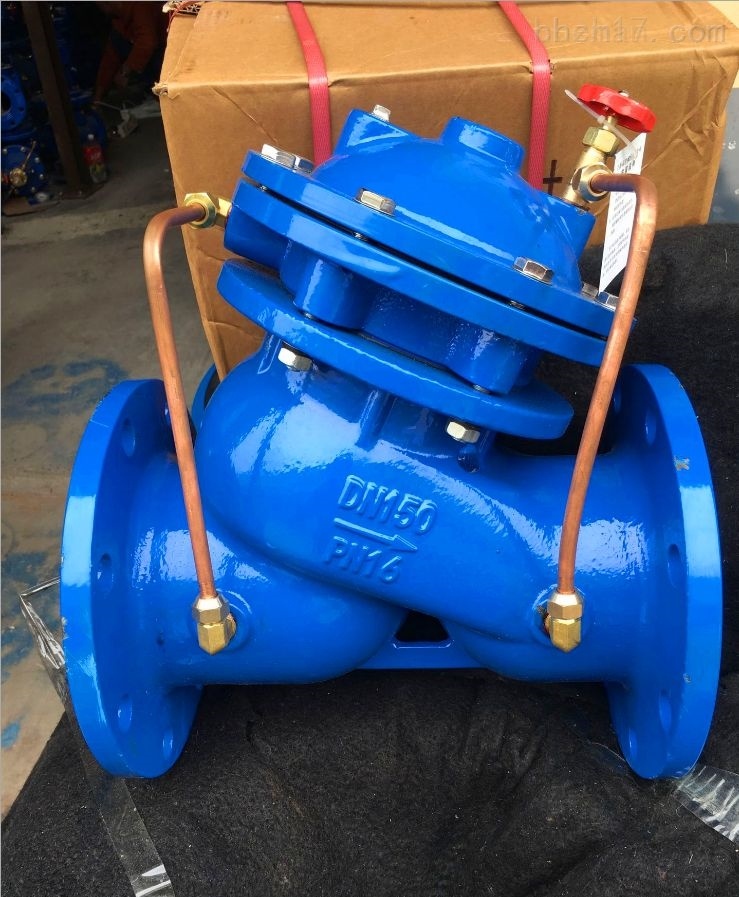
Vanne anti-retour de haute qualité - Solutions fiables pour la gestion des fluides
Les vannes anti-retour Un élément essentiel dans les systèmes de plomberie Les vannes anti-retour
 English